Korean is far more than muscle relief or physical relaxation. At its heart lies an ancient philosophy centered on Gi (기)—the vital life energy believed to flow through the human body. As wellness trends evolve globally, 2026 marks a renewed appreciation for traditional Korean healing methods that focus on balance, energy circulation, and holistic recovery. Understanding the soul of Korean massage means understanding how Gi energy is awakened, guided, and restored.
Understanding Gi: The Core of Korean Healing
Gi, often compared to “Qi” in Chinese medicine, represents the invisible force that sustains life. In Korean wellness traditions, healthy Gi flow equals vitality, mental clarity, and emotional stability. When Gi becomes blocked—due to stress, poor posture, fatigue, or emotional strain—physical discomfort and mental exhaustion follow.
Korean massage techniques aim to unlock stagnant Gi, allowing energy to circulate freely through meridians and pressure points. Unlike relaxation-only massages, the goal is not just comfort, but energetic balance.
The Philosophical Roots of Korean Massage
Traditional Korean massage is deeply influenced by Eastern medicine principles that developed on the Korean Peninsula over centuries. These methods were shaped by daily life—farm work, floor sitting, long walking—and the need for practical, restorative healing.
In modern Korea, especially in wellness hubs like Seoul, these traditions have evolved rather than disappeared. Today’s therapists combine ancestral knowledge with modern anatomy, creating treatments that feel both ancient and contemporary.
How Korean Massage Unlocks Gi Energy
Korean massage works on three primary levels to restore Gi flow:
1. Pressure Point Activation
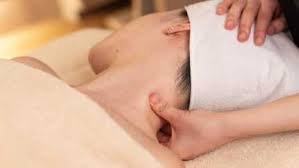
Firm, targeted pressure is applied along energy pathways. This stimulates blocked areas, encouraging Gi to move smoothly again. The pressure may feel intense at first, but relief follows quickly.
2. Rhythm and Breath Alignment
Therapists often work in steady, rhythmic patterns that align with natural breathing. This rhythm calms the nervous system, allowing energy to redistribute naturally.
3. Structural Realignment
Many Gi blockages are caused by poor posture or muscular imbalance. Korean massage frequently includes spinal, shoulder, and hip work to realign the body—clearing physical barriers that restrict energy flow.
Popular Korean Massage Styles Focused on Gi
In 2026, several traditional and modern styles stand out for their focus on energy circulation:
Korean Acupressure Massage
This style uses thumbs, palms, and elbows to stimulate meridians. It’s especially effective for fatigue, headaches, and digestive discomfort linked to Gi imbalance.
Jjimjilbang Body Massage
Often experienced inside Korean bathhouses, this massage combines heat therapy with deep bodywork. Heat opens energy channels, allowing massage techniques to work more deeply.
Foot Reflexology (Bal Massage)
The feet are considered gateways to the entire body’s energy system. Korean reflexology targets organ-related points, helping Gi flow upward from the ground through the body.
Oil-Based Energy Massage
A modern adaptation, this style blends traditional pressure with flowing oil techniques—ideal for those seeking both energetic balance and emotional calm.
Why 2026 Is a Turning Point for Korean Massage
In 2026, global wellness trends emphasize preventative care, stress regulation, and mind-body integration. Korean massage aligns perfectly with these priorities. As digital fatigue, remote work, and high-stress lifestyles increase, people are turning to therapies that address both physical tension and energetic exhaustion.
Korean wellness centers are also adapting—offering shorter, targeted Gi-balancing 스웨디시 sessions for busy professionals, as well as longer immersive treatments for deep restoration. International visitors increasingly seek authentic energy-based therapies when traveling to South Korea, recognizing Korean massage as more than a spa experience.
Emotional and Mental Benefits of Gi Flow
When Gi circulates freely, the benefits extend beyond the body:
-
Reduced anxiety and mental fog
-
Improved sleep quality
-
Emotional grounding and stability
-
Heightened body awareness
-
Sustained energy without overstimulation
Many clients report feeling “lighter” or “clearer” after a Korean massage—sensations that reflect energetic balance rather than simple muscle relaxation.
What a Gi-Focused Korean Massage Session Feels Like
A session typically begins with a brief assessment of posture, tension, and energy levels. The therapist may ask about sleep, stress, or areas of chronic discomfort. The massage itself alternates between firm pressure and slower grounding techniques.
Moments of intensity are intentional—they signal areas where Gi is stagnant. As the session progresses, the body softens, breathing deepens, and warmth spreads. This is often described as the moment when Gi begins to flow again.
By the end, clients commonly feel calm yet energized—a hallmark of successful energy work.
Integrating Korean Massage into Modern Life
In 2026, Korean massage is no longer something reserved for vacations or special occasions. Many people incorporate regular Gi-balancing sessions into their wellness routines, much like exercise or meditation.
To extend the benefits:
-
Stay hydrated after sessions
-
Practice slow breathing to maintain energy flow
-
Avoid intense physical activity immediately after
-
Pay attention to posture and daily movement habits
Final Thoughts
The soul of Korean massage lies in its respect for invisible forces that shape visible health. By unlocking Gi energy flow, it restores harmony between body, mind, and emotion. In an era defined by speed and stimulation, Korean massage in 2026 offers something rare: deep, meaningful balance.
Whether experienced in a traditional setting or a modern wellness studio, Korean massage remains a powerful reminder that true healing begins with energy—and when Gi flows freely, the entire self comes back into alignment.